- Home
- Boats
- Top Brands
-
Service
-
-
Boat Service
- Boat Service & Repair
- Inboard Motors Service & Repair
- Outboard Motors Service & Repair
- Engine Repair & Replacement
- Transmission Service & Repair
- Electrical Troubleshooting & Repair
- Gelcoat & Fiberglass Repair
- Trailer Service & Repair
- Boat Winterization & Summarization
- Prop Repair & Replacement
- Boat Interior & Exterior Detailing
- Boat Accessories & Upgrades
-
Boat Service
-
- Pro Shop
- Company
- Contact
Shop Nautique by Model

Shop Brand by Model


THE RNO CAPTAIN’S GUIDE—Summer Boating Tips for a Safe Day on the Water

Florida summers are perfect for boating. With long days, warm water, and countless lakes and waterways, it’s easy to see why so many people head out on the water with friends and family. Whether you’re exploring Central Florida’s lakes, enjoying an afternoon of wakesurfing or wakeboarding, or making your way to the coast for a weekend getaway, boating here is hard to beat.
However, boating in Florida during the summer isn’t without its challenges. High temperatures, intense sun, sudden afternoon storms, and crowded waterways can quickly change your plans. A little preparation before you leave the dock can make a big difference.
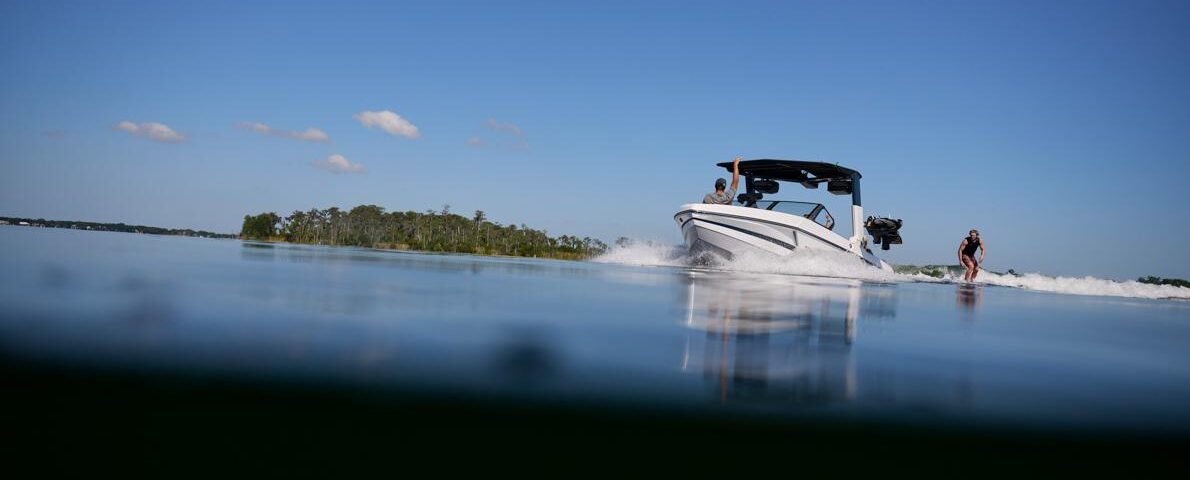
The following summer boating safety tips will help keep everyone onboard safe, comfortable, and ready for a great day on the water.
1. Keep an Eye on Florida’s Fast-Changing Weather
If you’ve spent any time in Florida during the summer, you know how fast clear skies can turn into sudden storms.
· Always check both marine and local weather forecasts before heading out, and keep an eye on the weather as the day goes on.
· Watch for signs like darkening skies, rising winds, sudden drops in temperature, or the sound of distant thunder.
· If the weather starts to turn, don’t wait until the last minute to head for shore.
· Plan ahead by knowing where you can dock or find shelter along your route, and give yourself enough time to get there safely.
Florida boating tip: If your plans are flexible, an earlier start can help you enjoy cooler temperatures and potentially get off the water before typical afternoon storms develop.
2. Make Life Jackets Part of the Plan
Each person on your boat needs a properly fitting, U.S. Coast Guard-approved life jacket, and everyone should know exactly where to find them before you set out. Children, anyone participating in watersports, and those who aren’t strong swimmers should always wear a life jacket. Florida also has specific rules based on age and activity, so double-check the regulations for your group and plans. Modern life jackets come in lightweight, comfortable styles, so it’s easy to find one that works for whatever you have planned.
FWC guidance: Florida requires a wearable USCG-approved PFD for each person; children under six have additional requirements on vessels under 26 feet while underway; and people born on or after January 1, 1988 must meet Florida’s boater-education requirement to legally operate a boat.
3. Stay Hydrated and Protect Yourself From the Florida Sun
A full day on the water can mean hours of exposure to Florida’s heat and sunshine. Between the sun, humidity, and activity, dehydration can sneak up on you.
· Bring more drinking water than you think you’ll need, and encourage everyone on board to hydrate throughout the day.
· Sunscreen, hats, sunglasses and lightweight protective clothing are also smart additions to your boating gear.
· Don’t forget to reapply sunscreen, especially after swimming, surfing, wakeboarding or tubing.
Safety advisory: heat can affect how you feel and react. If someone begins to feel dizzy, unusually tired, nauseated, or overheated, get them into the shade, cool them down, and take the situation seriously.
4. Boat Sober
Cold drinks and summer days may go together, but alcohol and operating a boat do not.
Designate a sober boat operator just as you would designate a driver on land. Alcohol can affect judgment, balance, coordination and reaction time — all things a captain relies on to safely operate a vessel.
Save the drinking for a celebration after the boat is safely back at the dock.
5. Pay Extra Attention on Busy Waterways
Summer weekends and holidays can bring plenty of traffic to Florida’s lakes, rivers and coastal waterways.
· Maintain a proper lookout and stay aware of what’s happening in every direction.
· Watch for other boats, personal watercraft, swimmers, paddlers, and people participating in water sports.
· Give other boaters plenty of room, follow posted speed limits and no-wake zones, and slow down whenever visibility or traffic conditions warrant.
Courtesy on the water isn’t just good boating etiquette — it helps make the water safer for everyone.
6. Put Watersports Safety First
For many Central Florida boaters, summer means wakeboarding, wakesurfing, waterskiing and tubing.
· Before anyone gets in the water, make sure everyone understands the plan and knows the hand signals you’ll use between the rider, spotter and driver.
· Use an attentive spotter whenever appropriate, keep a safe distance from docks, shorelines, other vessels and swimmers, and never allow anyone near the propeller while the engine is running.
· Riders should use properly fitting safety equipment designed for their activity.
· Taking a few extra moments between runs can help make sure the next one is just as much fun as the first.
7. Do a Quick Safety Check Before Leaving the Dock
Some of the most important boating safety decisions happen before the boat ever leaves the dock.
· Make a quick pre-departure check part of your routine.
· Confirm that you have appropriate life jackets and required safety equipment onboard, along with a fire extinguisher when required, a sound-producing device, navigation lights, and other equipment appropriate for your boat and where you’ll be operating it.
· It’s also a good idea to check your fuel level, battery, lines and anchor, and make sure your phone and other communication devices are charged.
· If your boat is equipped with an engine cut-off switch, use it as intended while operating the boat.
8. Let Someone Know Where You’re Going
Before heading out, tell someone on shore where you plan to boat, who is going with you, and when you expect to return. For longer trips, consider creating a more detailed float plan that includes information about your vessel, route, and passengers. It takes only a few minutes, but if something unexpected happens, that information can make it much easier for others to know where to begin looking for you.
9. Know the Rules Before You Go
Florida has boating regulations covering everything from required safety equipment and boater education to navigation, personal watercraft and watersports.
· Florida requires anyone born on or after January 1, 1988, who operates a motorboat of 10 horsepower or greater to meet the state’s boating safety education requirements.
· Even experienced boaters can benefit from brushing up on local regulations and completing a boating safety course.
· Rules and conditions may also vary depending on where you’re boating, so familiarize yourself with your destination before heading out.
Safe Boating Makes for Better Days on the Water
The best summer boating memories are the ones where everyone comes home safely.
A little preparation goes a long way. Check the weather, bring the right gear, keep your passengers protected from the sun and heat, stay alert behind the wheel and never hesitate to change your plans when conditions don’t feel right.
At Regal & Nautique of Orlando, boating is about more than owning a boat; it’s about enjoying time on the water with the people who matter most. From our team of experienced Boat PROs to our service departments and Pro Shops, we’re here to help you get the most out of every boating season.
Stay safe, have fun, and we’ll see you on the water!
Helpful Florida Boating Safety Resources
For current Florida boating regulations, boater education information and additional safety resources, visit the Florida Fish and Wildlife Conservation Commission (FWC) boating safety website and review U.S. Coast Guard recreational boating safety guidance before heading out.